
True View Reviews
Film Reviews
Film Festivals
Spanish Reviews
News, Trailers & More
True View Reviews
True View Reviews
Film Reviews
Film Festivals
Spanish Reviews
News, Trailers & More
Fork in the Road – food for thought, and then some
by Laurie Coker
Round Top Film Festival 2026
I have always tried to avoid processed foods, or at least as much as reasonably possible. After watching Fork in the Road, I’m more interested than ever in buying better food. This fascinating, informative documentary takes a hard look at how food is produced in America, the struggles of independent farmers, and what some determined people are doing to change a system that isn’t working well for everyone.
Directed by Vivian Sorenson and Jonathan Nastasi, Fork in the Road takes viewers across the country, introducing farmers, chefs, environmental advocates, and others who are challenging conventional agricultural practices. From dairy farmers in Kentucky to kelp farmers in Alaska, the film examines the difficulties of surviving in an industry increasingly dominated by large corporations. It also explores regenerative agriculture, an approach to farming that emphasizes healthy soil, sustainable practices, and restoring rather than depleting natural resources.
I appreciated was that the filmmakers didn’t simply point out everything wrong with our food system and leave us feeling helpless. They introduced people who are actually doing something about it. I am especially interested in the nonprofit organizations working with farmers, helping them reevaluate practices they have relied upon for years and explore different approaches that offer greater sustainability. Farming is hardly an easy way to make a living, and changing the way you’ve always done things takes courage. Their stories are interesting, sometimes troubling, and frequently inspiring.
The documentary is well filmed, thoughtfully assembled in an almost “quilt-like” way, and filled with interesting perspectives. Nick Offerman is among the familiar faces contributing to the discussion, along with chefs, scientists, and farmers whose experiences ground the subject. There is a great deal of information here, but the filmmakers manage to present it without making the experience feel like sitting through a lecture.
On a personal level, the film made me think about my own shopping habits, particularly when it comes to fresh produce. I have never been particularly fond of highly processed foods, but avoiding them is easier said than done. Where I live, choices are limited, and I suspect that is true for many Americans. Not everyone has a farmers’ market around the corner, access to locally grown food, or the financial means to be especially selective about what they purchase. That is part of what makes this subject so important. We can encourage people to make better food choices all day long, but those choices have to be available and affordable.
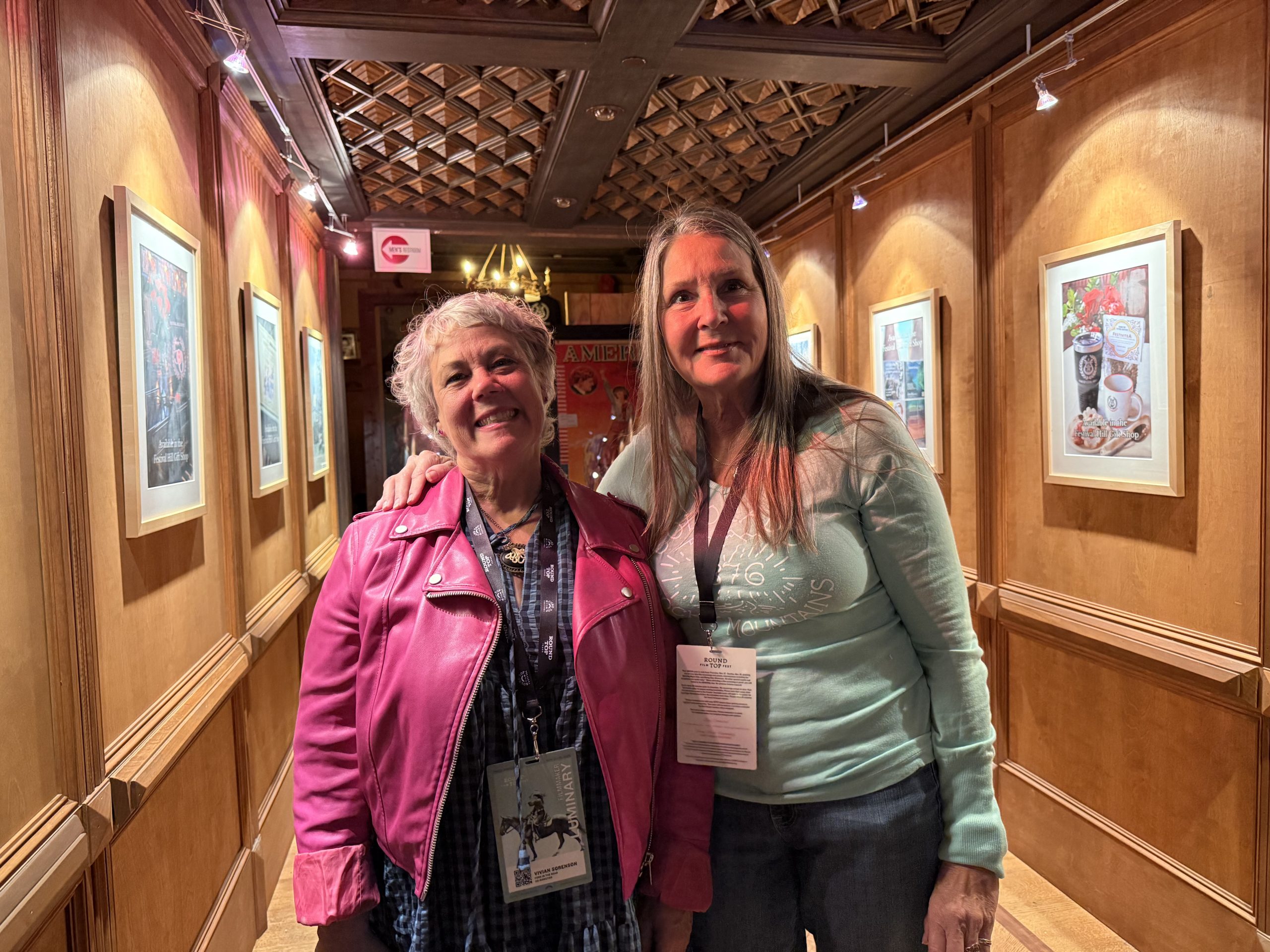
I had the opportunity to speak with Sorenson at the Round Top Film Festival and enjoyed hearing about the plans for the documentary. She explained that they are exploring screenings in educational settings, with nonprofit organizations, and in communities where the film might encourage discussion and, hopefully, action. I think that is an excellent direction for a film like this. It has something worthwhile to say, and audiences well beyond the film festival circuit could benefit from seeing it.
I came away with a much better understanding of the challenges facing smaller farmers and a greater appreciation for those trying to find alternatives. I also found myself looking at food a little differently, and I suspect I will be paying closer attention the next time I go grocery shopping. That, to me, is the mark of a worthwhile documentary. It doesn’t necessarily tell you what to think. It gives you something to think about long after the credits roll.